 Dra. Yosune Chamizo Alberro
Executive Director of Digital Inclusion and Data Strategies at the General Direction of Digital Government of the Digital Agency for Public Innovation

Mexico City.
From Data to Public Policy: Interdisciplinarity and Inclusion in Decision-Making
…..
About Dra. Chamizo
Yosune is the Executive Director of Digital Inclusion and Data Strategies at the General Direction of Digital Government of the Digital Agency for Public Innovation in Mexico City.
For more than a decade, she has been coordinating interdisciplinary teams in diverse settings, including government, journalism, and the private sector. She has been working with data, maps, and technology since 2008, and her career includes projects related to gender, environment, migration, digital inclusion, corruption, violence, drug trafficking, health, security, human rights, discrimination, food sovereignty, climate change, among others.
She believes that in any workplace it is essential to build, promote, and maintain a healthy environment, and as part of her management duties, this has been one of her main objectives. She has collaborated with developers, designers, journalists, analysts, geographic information system specialists, researchers, public officials, among others, and therefore has a broad ability to adapt to different disciplinary needs.
She is the representative in Mexico for the International Institute for Information Design and specializes in the communication of complex information. Her work has been recognized in countries such as Luxembourg, Germany, England, Austria, Italy, Spain, Latvia, Brazil, and Ecuador.
 Dr. Alex Papalexopoulos
President & CEO of ECCO International, Inc. USA
CEO & Chairman of the Board – ZOME Energy Networks, Inc.

USA
RES Integration Challenges: Market Problems and Potential Solutions
Over the last ten years many jurisdictions have transitioned from vertically integrated utility based structures to competitive energy environments organized by competitive markets for generation, transmission facilities operated on an open-access common-carrier basis, and retail competition among power marketers that rely on regulated utility distribution companies for delivery. Regulation of the wholesale and retail energy markets has been reduced to structural requirements and operational guidelines and monitoring, while retaining substantial regulation of the “wires” markets for transmission and distribution. These changes entail unbundling energy from T&D, thereby reversing the vertical integration of utilities. The experience accumulated over the last ten years has provided substantial insights on the market models that yield market efficiencies and value to the consumers.
In this presentation I address mainly the organization of the wholesale markets for energy and transmission and the lessons learned from designing and implementing organized energy markets. Further, I focus on the challenges of the next generation of energy market design structures. The new challenges we face today take into account problems related to sustainable development, security of supply, climate change, renewable generation and demand response. The examination of these issues will benefit from the history of restructuring in many jurisdictions including several states in the U.S, Canada and Europe.
I emphasize the implications of the general principles of market design based on ideas from economics and game theory. These principles also take into account the temporal and stochastic variability of demands and supplies, accentuated by the non-storability of power, multiple technologies with varying sensitivities to capital and fuel costs and environmental and siting restrictions, and dependence on a reliable and secure transmission system. The economic problems include substantial non-convexities, scale economies in generation, non-linearities in transmission), and externalities (mainly in transmission). This presentation will summarize the key outcomes and insights obtained by the Task Force after 3 years of joint work.
About Dr. Papalexopoulos
Dr. Alex Papalexopoulos, an authority in energy market design and implementation, is the President & CEO of ECCO International, based in San Francisco, California, which provides consulting and software services in the areas of energy market design, energy transition and smart grid development to a wide range of clients such as Governments, Regulators, ISOs/RTOs/TSOs/PXs, Utilities, Generators and Traders. Over the last 25 years Alex has designed and implemented organized energy markets in about 17 countries in North, Central and South America, Western and Eastern Europe and Asia. He is also CEO and Chairman of the Board of ZOME Energy Networks and World Energy Consortium two energy software companies focusing on the decarbonization and digitization of the energy grid. The developed technologies are based on Artificial Intelligence, Digital Twin Software and Machine Learning, stochastic distributed control and Blockchain technologies. Dr. Alex Papalexopoulos has made substantial contributions in the areas of energy market design, network grid optimization. He is a sought-after industry leader, IEEE distinguished speaker and has published hundreds of papers in refereed scientific journals. He is the 1992 recipient of PG&E’s Wall of Fame Award, the 1996 recipient of IEEE’s First Prize Paper Award and a Fellow of IEEE. Alex received the Electrical and Mechanical Engineering Diploma from the National Technical University of Athens, Greece and the M.S. and Ph.D. degrees in Electrical Engineering from the Georgia Institute of Technology in the US. In 2016 he was bestowed the award of the honorary Professor at the Department of Electrical and Computer Engineering of the University of Patras, Greece.
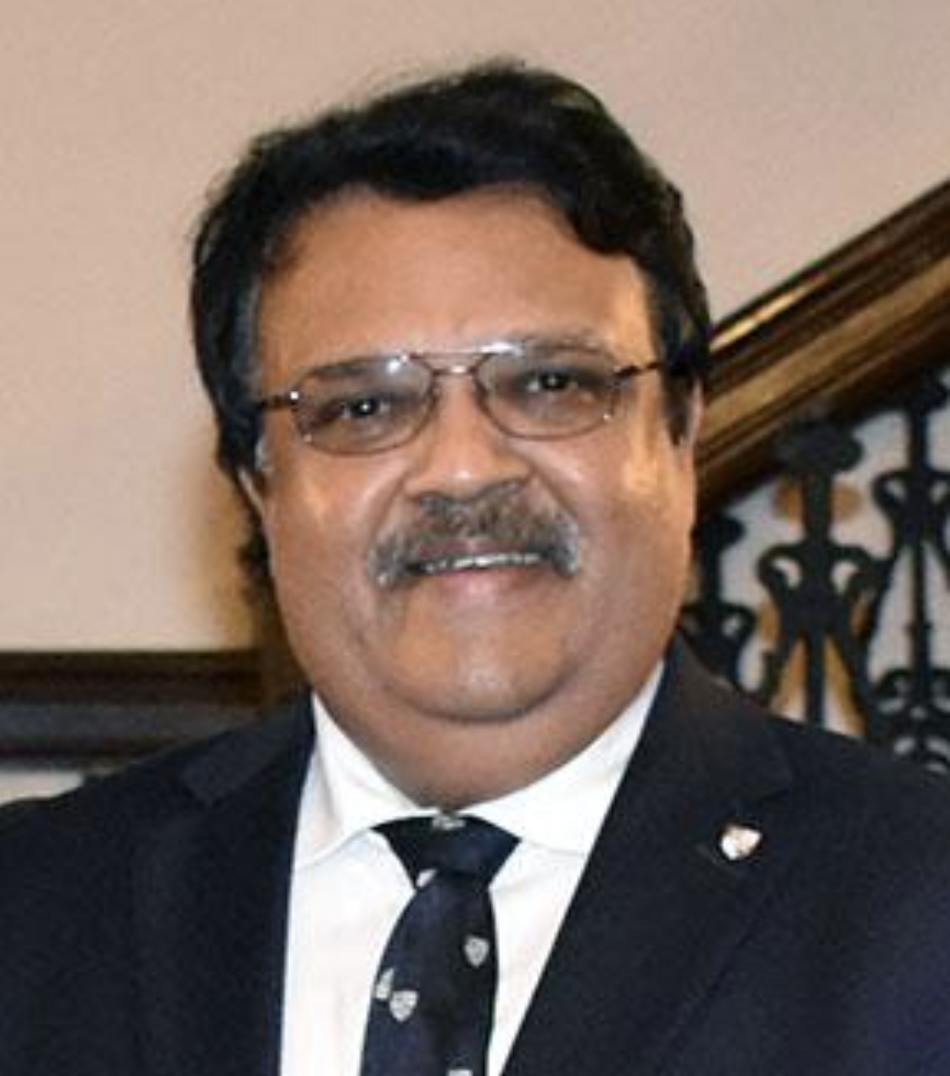
Professor Sanjib Kumar Panda
National University of Singapore,
SINGAPORE
A Plug and Play Operational Approach for Implementation of an Autonomous-Micro-Grid System
The electric power system is going through an unprecedented transformation and related challenges in the implementation of smart grids. The smart grid is based on the flexible electrical power system that coordinates different energy resources and loads with the aim of delivering sustainable, economical and reliable electrical supply to the loads in an efficient manner. In this presentation, a plug and play type autonomous-microgrid system formation is proposed. Multiple distributed generating sources and loads interaction is considered pertaining to the stability of the micro-grid. The proposed method enables communication-less operation of each of the elements of the micro-grid system. It is also considered that the sources are of different power capacity as can be seen in a typical autonomous micro-grid system. Spatial Repetitive Controller (SRC) is proposed to control each of the distributed generating sources in a decentralized manner to stabilize the overall micro-grid system. The proposed system considers sudden change in load as well as other distributed generators conditions like a true plug and play operation. A novel signature frequency voltage injection method is proposed to identify the presence of special distributed generator and operation of backup distributed generators. The implemented control architecture also ensures stability of the micro-grid fundamental frequency even in the case of dynamic conditions unlike the traditional droop-control method. A detailed experimental study is carried out and the experimental results presented show the efficacy of the proposed system.
About Profesor Kumar
Sanjib Kumar Panda (Fellow, IEEE) received his B. Eng. degree from the South Gujarat University (India) in 1983, M.Tech. degree from the Indian Institute of Technology, Banaras Hindu University (India) in 1987, and Ph.D. degree from the University of Cambridge (UK) in 1991, all in electrical engineering. Dr. Panda is currently the Chair of PELS TC 12 (Energy Access and Off-Grid Systems) and serves as an Associate Editor for various IEEE Transactions.
Achievements:
– Cambridge-Nehru Scholarship (during Ph.D. study, 1987-1991)
– Co-author of one book and several book chapters
– Co-founded three start-up companies
– Holds six patents
– M.T. Mayer Graduate Scholarship (during Ph.D. study, 1987-1991)
– Published over 450 peer-reviewed research papers
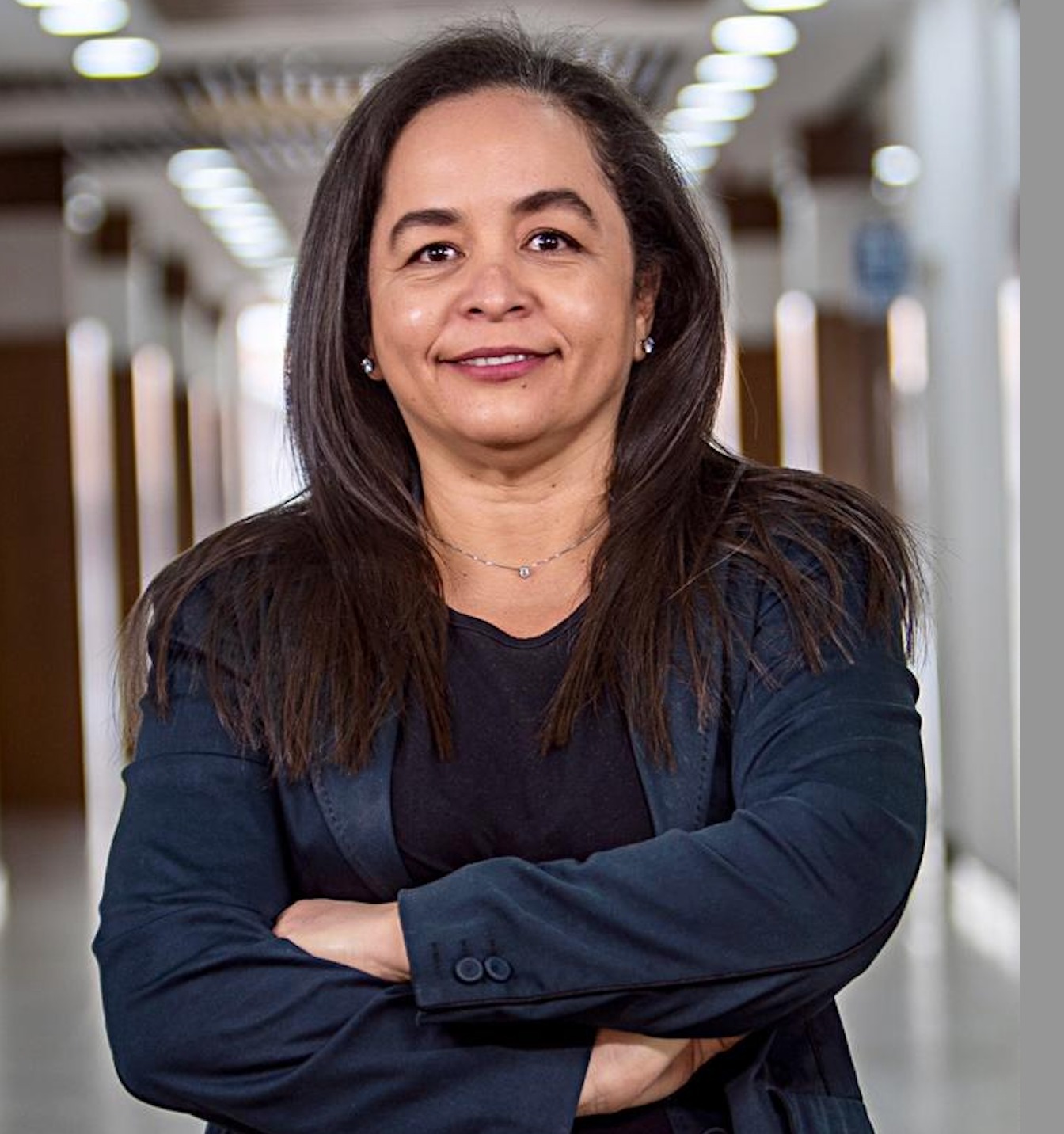
Professor Monica K. Huerta
Universidad Estatal del Milagro
ECUADOR
Developing Digital Health Devices for Parkinson’s Disease: Empowering Patients and Transforming Care
This lecture will explore cutting-edge digital health technologies designed to monitor and support patients with Parkinson’s disease, emphasizing their transformative potential for healthcare systems and society. Drawing on extensive research, the talk will showcase how wearable sensors, wireless communication, and IoT solutions empower patients and reduce healthcare costs while enabling objective, real-time assessment of clinical parameters such as tremors, motor impairments, and freezing of gait (FOG). These systems facilitate precise monitoring and personalized feedback, even outside traditional clinical environments. Beyond the technical aspects, the presentation will delve into the societal impact of these technologies, including their role in democratizing access to quality healthcare, enabling underserved populations to benefit from early diagnosis and intervention, and fostering independence for patients in their daily lives. Case studies will demonstrate how these innovations support caregivers and clinicians, reduce hospital visits, and enhance quality of life by tailoring rehabilitation and monitoring to individual needs. Attendees will gain insights into the broader implications of digital health technologies in building resilient, patient-centered healthcare ecosystems.
About Profesor Monica K. Huerta
Professor Monica Karel Huerta is a Senior Member of IEEE, an IEEE EMBS Distinguished Lecturer, and a visiting researcher at Universidad Estatal de Milagro in Ecuador. She has received multiple international honors, including the IEEE Region 9 Eminent Engineer Award (2024), which recognizes members who have made significant contributions to advancing IEEE fields, and the CEDIA Outstanding Researcher Award (2025).
She served as a Full Professor of Telecommunications at the Salesian Polytechnic University (UPS), Cuenca, Ecuador, from 2017 until September 2025, and possesses more than 28 years of combined academic and research experience. She holds a Bachelor’s degree in Electronic Engineering and an M.Sc. in Biomedical Engineering from Simón Bolívar University (USB) in Caracas, Venezuela, as well as a Ph.D. in Telecommunications Engineering from the Polytechnic University of Catalonia (UPC) in Barcelona, Spain.
Her research centers on Internet of Things (IoT) and sensor networks, with applications in precision agriculture, soil nutrient monitoring, and climate-variation analysis, as well as IoT-driven telemedicine, education, and humanitarian technologies. From 1995 to 2014, she was with the Department of Electronics and Circuits at Simón Bolívar University, serving as Postgraduate Dean in 2013 and Coordinator of the Doctoral Engineering Program (April 2010–July 2013). She completed a sabbatical year at the University of the Armed Forces (Ecuador) in 2013, and subsequently joined UPS in 2014 under the Prometeo Fellowship (2013–2017), conducting research with the WICOM and GITEL groups.
Her scholarly work includes over 210 peer-reviewed publications across leading journals, international conferences, books, and book chapters, earning multiple prestigious awards. She serves on scientific committees for international conferences, acts as an associate editor, and contributes as an invited author to high-impact journals.
Within IEEE, she has held several leadership roles: President of the IEEE Ecuador Section (2022–2023), Chair of IEEE EMBS Ecuador (2017–2018), Membership Chair of IEEE Ecuador (2018–2019), Vice President of the IEEE Ecuador Section (2020–2021), and currently Chair of Nominations and Appointments for the IEEE Ecuador Section and Treasurer of the IEEE Andean Council (2024–2026).
Since 2015, she has also mentored and managed entrepreneurship and innovation initiatives within various startups, providing guidance to public agencies, private companies, and governmental organizations.

M.C Fabián Vázquez Ramírez
Wholesale Electricity Market Administration Director
CENACE
MEXICO
Panel -The impact of integrating renewable energy sources into electricity markets
About Fabián Vázquez Ramírez, M.C
Fabián Vázquez Ramírez, was granted the Electrical Engineering degree and the MSc. in Power Systems from the Mechanical and Electrical Engineering Superior School of the National Polytechnic Institute. He has more than 18 years of experience in analysis, planning and economic operation of the National Electrical System and in the operation of the Allocation of Units and Economic Dispatch of Generation considering the physical and operational characteristics restrictions of the electrical system. From 2006 to 2015 he served as supervisor of the Hidrothermal Pre-Dispatch and from 2016 to 2021 he was Head of Department of the Day Ahead Market, both positions at the National Energy Control Center. As of January 2022, he was appointed Director of Administration of the Wholesale Electricity Market, with the main challenge being the transformation of the wholesale electrical market operation, incorporating new products to the market in order to optimize resources. Among his most notable achievements are his contribution to the implementation of Wholesale Electricity Market processes, the design of mechanisms to strengthen the operation processes of the electricity short-term energy market, and in the uninterrupted operation of the Day in Advance Market in the period from 2016 to 2021. He has more than 18 years of experience in the economic analysis, planning and operation processes of the National Electricity System, as well as in the Unit Assignment and Generation Dispatch processes considering the physical and operational restrictions of the Electrical System.

Juan José Macedo Rayo, M.C
Director of Interconnections and Network Analysis
INVENERGY
MEXICO
Panel -The impact of integrating renewable energy sources into electricity markets
About M.C Juan José Macedo Rayo
Director of Interconnections and Network Analysis. He is an Electrical Engineer from the National Polytechnic Institute, with a master’s degree in Electrical Engineering from the Universidad Anáhuac Norte. He has a track record of more than 25 years in planning the Mexican Electrical Sector, specializing in probabilistic studies focused on system reliability. He held several positions within the Programming Subdirectorate of the Federal Electricity Commission (CFE), and was head of the Network Modernization Department at the National Energy Control Center (CENACE). During 2019-2021 he participated in the IEEE Composite System Reliability Task Force, and currently belongs to the Wind Europe Grid Codes Task Force. He currently leads Invenergy’s thermal, renewable and storage development efforts in Mexico and Latin America, with specific activities in the United States, Spain, and Poland.
 Professor Claudio Fuerte, Fellow IEEE
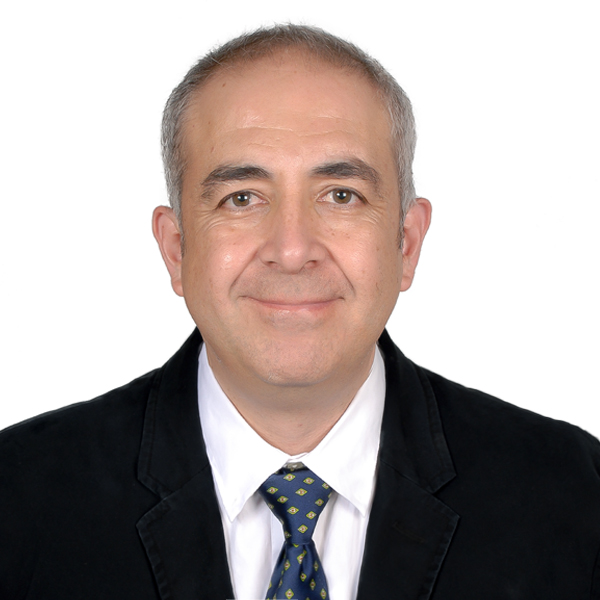
UNIVERSIDAD MICHOACANA
MEXICO
Moderator Panel -The impact of integrating renewable energy sources into electricity markets
About Professor Claudio Fuerte
Claudio Rubén Fuerte Esquivel earned his B.S. in electrical engineering from the Technological Institute of Morelia, Mexico, in 1989, his M.S. (Summa Cum Laude) from the National Polytechnic Institute, Mexico, in 1993, and his Ph.D. from the University of Glasgow, Scotland, U.K., in 1997. He is currently a full-time professor at the Universidad Michoacana de San Nicolás de Hidalgo (UMSNH), Morelia, Mexico. His research interests include flexible AC transmission systems and critical infrastructures. Dr. Fuerte has demonstrated leadership as an educator and researcher, which has been recognized by the Mexican government through the award of the distinction of professor with an outstanding academic profile. His extensive contributions to research, evidenced by his publication and citation records, as well as his teaching, projects, and promotion of research in Mexico, have earned him the highest research appointment in Mexico and membership in the Mexican Academy of Science. He also played a key role in bringing a top IEEE-PES conference to Mexico after 31 years. He is an IEEE Fellow for his contributions to modeling, analysis, and operation of Flexible Alternating Current Transmission Systems.